
Research
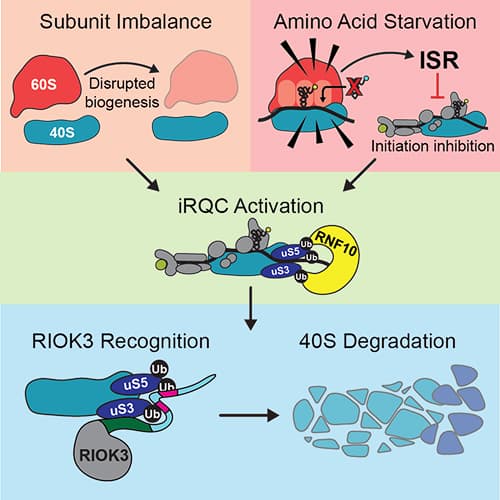
Ford PW, et al., Cell Reports 2025
Ribosome-associated Quality Control
Ribosomes decode the genetic information within the genome into the thousands of proteins that shape cell and tissue function. Ribosomes encounter various barriers during translation. The Bennett lab identifies, characterizes, and interrogates the pathways that react to and resolve stalled or immobile ribosomes. We have identified a specific branch of the ribosome quality control pathway that acts on 40S ribosomes during conditions that slow or stall translation initiation. Remarkably, when this pathway is activated, the outcome is 40S degradation. Our goal is to identify the mechanisms that lead to pathway activation and subsequent ribosome decay. We also seek to understand the physiological contexts that require this conserved degradation pathway.
Ubiquitin Biology
The ubiquitin proteasome pathway regulates the degradation of cytosolic and nuclear proteins. Ubiquitin ligases modify their substrates with ubiquitin to either alter protein activity or to target them for degradation. The Bennett lab studies both the mechanisms by which ubiquitin ligases identify their substrates and mechanisms that regulate ubiquitin ligase function. We utilize quantitative proteomic methods to globally profile ubiquitin ligase substrates. These methods allow us to characterize enigmatic ubiquitin ligases that regulate diverse biological pathways and processes. Our goal is to manipulate ligase function to either enhance cellular proteostasis function during aging or recruit specific substrates for degradation.
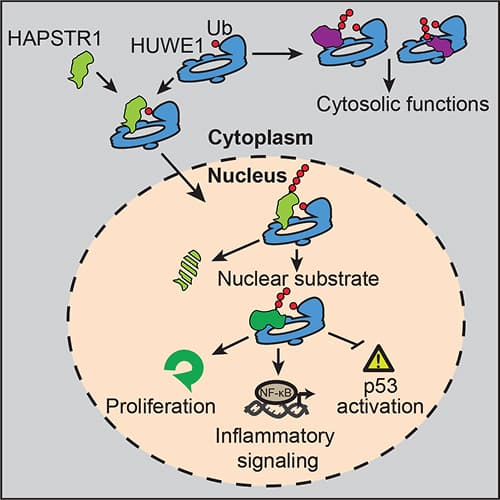
Monda JK, et al., Cell Reports 2023
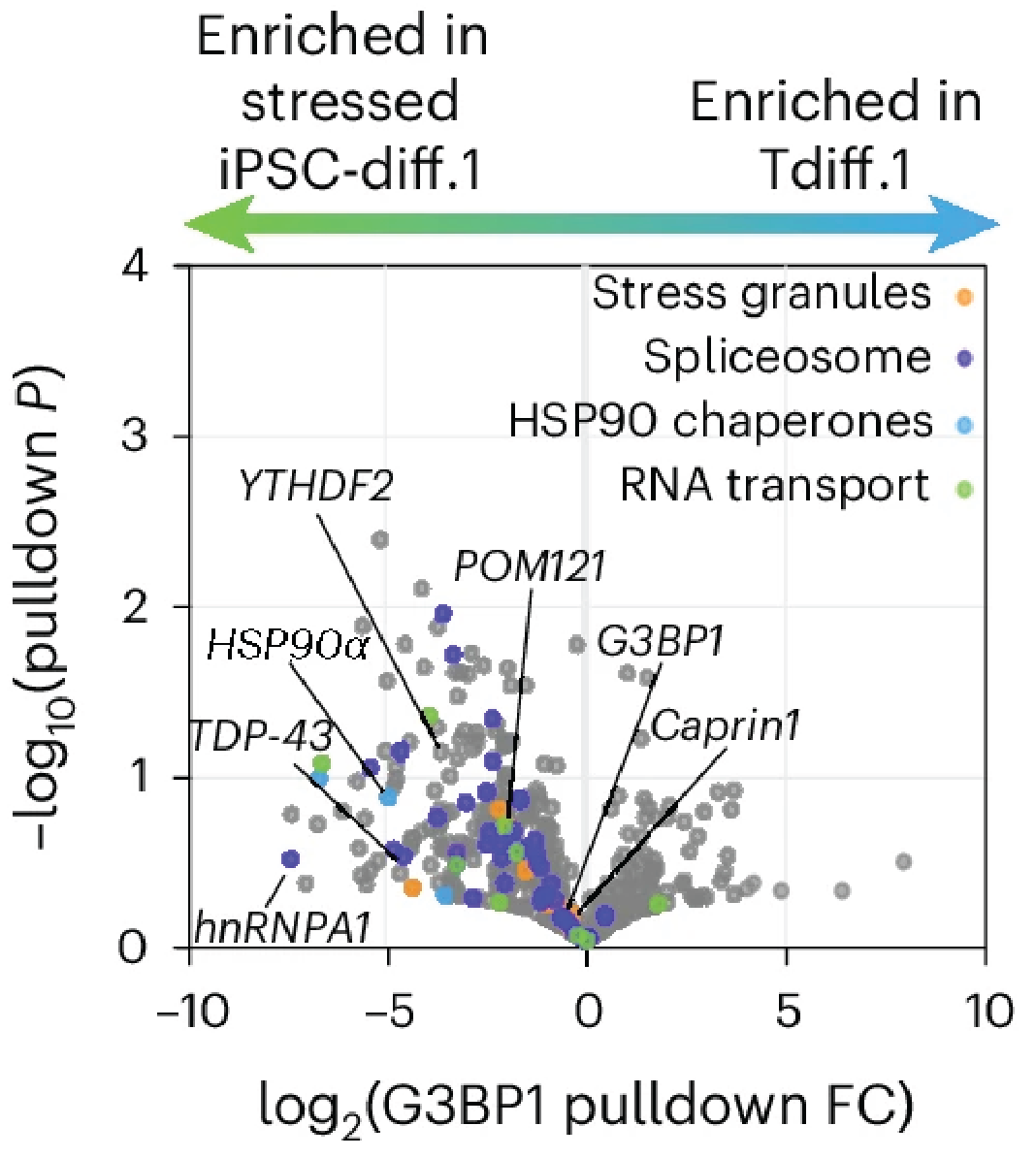
Rhine K, et al., Nat Neurosci 2025
Proteostasis Network Remodeling During Aging
The proteostasis network is a connected set of pathways that regulate protein synthesis, folding, trafficking, and degradation. Due to the dramatically different functions for individual tissues, the proteostasis network is uniquely configured in distinct cell and tissue types. Proteostasis dysfunction is a hallmark of aging and collaborative studies seek to understand proteostasis network function within stem cells and neurons, as these cell populations are maintained throughout life. Using integrative approaches that combine in vivo functional analyses, global proteomic profiling, and mechanistic studies, we examine how tissue-specific proteostasis networks become remodeled during aging. The goal is to leverage this knowledge to identify actionable interventions to improve tissue function during aging and promote healthy aging.
Cellular Stress Responses
Cells employ a variety of stress response pathways to combat exposure to acute cellular stressors. These resilience pathways are often dysregulated in human neurodegenerative disorders. We study the pathways that respond to proteotoxic stressors which include the integrative stress response, heat shock response, and oxidative stress response pathways. Cells often form membraneless stress granules as part of these stress response pathways and collaborative studies have documented the constituents and dynamics of stress granules. Current studies seek to alter stress granule properties to delay ALS disease progression. Activation of ribosome-associated quality control pathways can result in translation initiation inhibition via the integrated stress response. We study the interplay between translation initiation and ribosome abundance to identify mechanisms that can be exploited to enable enhanced resistance to cellular stressors.
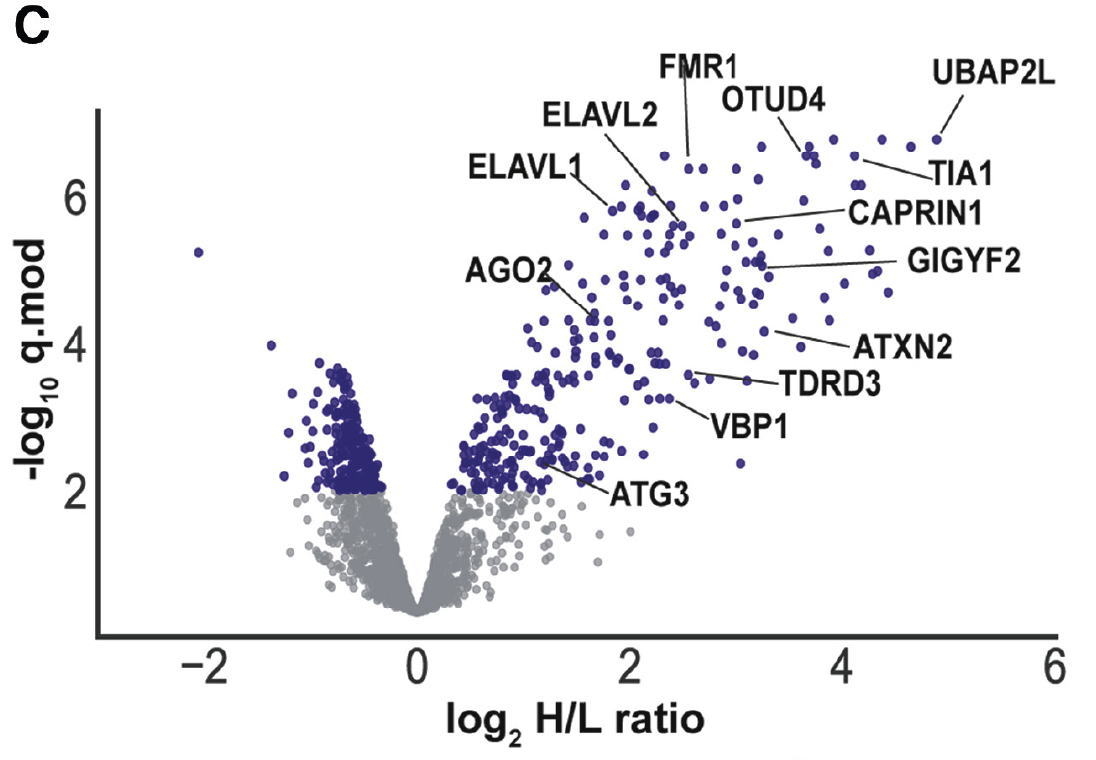
Markmiller S, et al., Cell 2018